Hunter Wheel Alignment | Professional Guide 2026
- By Tyrese Gham
- June 23, 2026
- 11:58 am
If your car pulls to one side or the steering wheel sits off-centre, your wheels are probably out of alignment. Hunter wheel alignment is the most accurate way to fix this and protect your tyres, suspension, and fuel economy all at once.
At The Tyres Egham, we use professional hunter alignment equipment to measure and correct your vehicle's geometry with precision. Whether you drive a small hatchback or a large SUV, getting an alignment check is one of the smartest things you can do for your car.
What Is Hunter Wheel Alignment?
Hunter wheel alignment is a computerised system that measures the angles of all four wheels against your vehicle manufacturer's exact specifications. Unlike older manual methods, it uses imaging sensors to capture 14 key alignment angles in minutes.
The system carries specifications for thousands of vehicle makes and models. This means the readings are matched to your specific car, not a generic standard.
After the check is done, you get a clear before-and-after report. You can see exactly what was wrong and what was corrected. This level of detail sets hunter alignment apart from basic tracking checks.
Extra Reading: Wheel Balancing vs Wheel Alignment
How the Hunter System Works
Sensor-Based Measurement
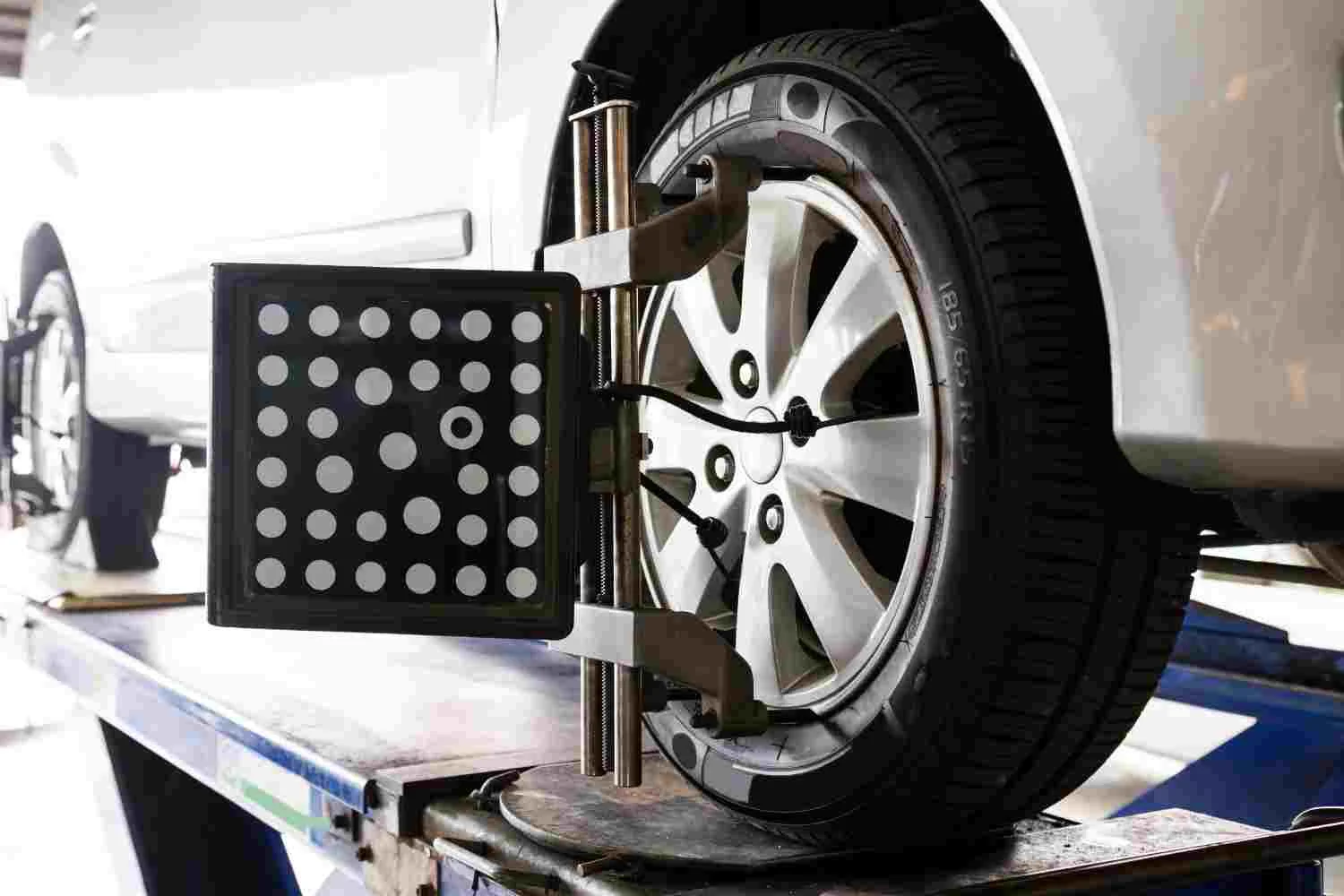
The hunter wheel system places sensors on all four wheels simultaneously. These sensors communicate with the alignment machine to produce real-time data on every key angle.
Manual alignment only checks the front wheels. Hunter 4 wheel alignment checks all four. This matters because rear wheel angles affect how the front wheels behave on the road.
The 14 Alignment Angles Explained
Wheel Geometry Alignment (Camber, Caster & Toe) are the three main areas the system checks:
- Camber refers to the tilt of the wheel when viewed from the front. Negative camber means the top of the wheel leans inward. Too much causes uneven tyre wear on the inner edge.
- Caster is the angle of the steering axis from front to back. It affects straight-line stability and steering return.
- Toe describes whether the fronts of the tyres point inward (toe-in) or outward (toe-out). Incorrect toe is the most common cause of uneven tyre wear across the tread.
Other angles include thrust line, steering axis inclination, and tracking. Each one plays a role in how your car drives.
Extra Reading: Small Cracks in Tyre Sidewall
Signs Your Wheels Need an Alignment Check
You do not need to wait for something to feel badly wrong. There are clear signs to look out for:
- Steering Pull & Vehicle Handling issues: your car drifts left or right on a straight road
- The steering wheel is off-centre when driving straight
- Uneven Tyre Wear on the inner or outer edges of the tread
- Vibrations through the steering wheel at speed
- Your car feels nervous or twitchy, especially at higher speeds
- You recently hit a pothole, kerb, or speed bump at speed
Any one of these is enough reason to book an alignment check. Catching the problem early saves you money on tyres and prevents further damage to suspension components.
Extra Reading: How to Change a Flat Tyre
What Causes Wheels to Go Out of Alignment?
Alignment does not just fail on its own. Common causes include:
- Hitting a pothole or deep rut in the road
- Mounting a kerb or driving over a raised obstacle
- Worn steering or suspension components
- Minor collisions or parking bumps
- Natural wear over time, especially on older vehicles
Even a small impact can shift one or more wheels out of spec. Because the change can be gradual, drivers often do not notice until tyre wear becomes obvious or Steering Pull & Vehicle Handling feel noticeably worse.
Why Hunter 4 Wheel Alignment Beats Basic Tracking
Many garages still offer two-wheel tracking, which only adjusts the front toe angle. Here is why Hunter 4 Wheel Alignment is a better option:
Full Vehicle Coverage
Basic tracking ignores the rear axle. If a rear wheel is out of alignment, the front axle correction will be wrong. Hunter 4 Wheel Alignment accounts for all four corners, so every adjustment is made in relation to the whole vehicle.
Manufacturer Data Built In
The hunter alignment database holds manufacturer specifications for cars going back decades. Your vehicle's ideal settings are loaded automatically. There is no guesswork.
Printable Before-and-After Report
You leave with documented proof of what was found and what was corrected. This is useful if you have a warranty claim or want to track your vehicle's condition over time.
Speed and Accuracy
The process takes far less time than manual adjustment. Hunter alignment equipment captures all angles at once, reducing the risk of human error at every step.
The Impact of Misalignment on Your Car
Tyre Wear
Uneven Tyre Wear is the most visible and costly result of misalignment. A tyre that wears on one edge instead of evenly across the tread will fail much sooner. Replacing tyres is expensive. Correcting alignment costs far less.
Fuel Economy
Misaligned wheels create rolling resistance. The tyres drag slightly instead of rolling cleanly. This makes the engine work harder and burns more fuel. Correct alignment reduces drag and keeps running costs down.
Steering and Safety
Steering Pull & Vehicle Handling problems are not just annoying. A car that drifts left or right on a motorway requires constant correction. Over a long journey, this is exhausting and dangerous. Correct alignment means the car goes where you point it, every time.
Suspension Wear
When wheels sit at the wrong angle, stress transfers unevenly through the suspension. Joints, bushes, and bearings all wear faster. One alignment check now can prevent a costly suspension repair later.
How Often Should You Get an Alignment Check?
Most manufacturers recommend an alignment check every 12 months or every 12,000 to 15,000 miles, whichever comes first. You should also check alignment after:
- Any significant impact (pothole, kerb strike, minor collision)
- Fitting new tyres
- Replacing steering or suspension components
- Noticing any of the warning signs listed above
We recommend pairing your alignment check with your annual tyre inspection. This way you catch any issues before they become serious.
Hunter Tracker Wheel Alignment: A Smarter Way to Check
The hunter tracker wheel alignment process uses camera-based targets mounted to each wheel. These targets communicate with the alignment machine to give instant, accurate readings without the need for manual measurements at each stage.
This makes the process faster and more repeatable. Technicians can make live adjustments while the system updates the readings in real time. You are not waiting for re-measurements after each correction.
What to Expect at The Tyres Egham
When you bring your vehicle to The Tyres Egham for Hunter wheel alignment, here is what happens:
- Your vehicle is driven onto the alignment ramp and secured
- Hunter alignment equipment sensors are fitted to all four wheels
- The system measures all 14 angles and compares them to your vehicle's manufacturer specifications
- Our technician explains the results and which adjustments are needed
- Adjustments are made and the system re-checks every angle
- You receive a printed report showing before and after readings
The whole process is transparent. You know exactly what was done and why.
We also offer a full range of tyre services, including tyre fitting, balancing, and tyre pressure checks, so you can take care of everything in one visit.
How Hunter Wheel Alignment Compares to Laser Alignment
Some older equipment uses a single laser line to check front-wheel tracking. This is a limited measurement. It does not capture camber or caster, and it ignores the rear axle entirely.
Hunter 4 Wheel Alignment uses multiple imaging sensors working together. It captures every relevant angle at once. The result is a complete picture of your vehicle's geometry, not just a partial check of the front wheels.
For modern vehicles with complex multi-link rear suspension, a full four-wheel check is not optional. It is the only way to get accurate results.
Conclusion
Wheel alignment is not something to put off. Uneven Tyre Wear, Steering Pull & Vehicle Handling problems, and higher fuel costs are all signs your car needs attention. Hunter wheel alignment at The Tyres Egham gives you a complete, accurate picture of your vehicle's geometry using the most trusted alignment equipment in the industry.
Contact us today and drive away with confidence knowing every angle is set to your manufacturer's exact specification.
Frequently Asked Questions
Does wheel alignment affect tyre wear?
Yes. Incorrect Wheel Geometry Alignment (Camber, Caster & Toe) is one of the leading causes of premature tyre wear. Fixing alignment extends tyre life significantly.
Can I drive with misaligned wheels?
You can, but it will cost you more over time. Tyre wear accelerates, fuel economy drops, and your suspension wears faster. Fixing alignment early is always the cheaper option.
Is Hunter alignment suitable for all vehicles?
Yes. The hunter alignment system carries specifications for cars, vans, SUVs, and light commercial vehicles. It works on almost any vehicle you drive.
How long does the process take?
A standard Hunter 4 Wheel Alignment check and adjustment takes around 45 to 60 minutes at The Tyres Egham, depending on how many corrections are needed.
About the Author

Tyre Egham Expert
Tyrese Gham is a author of thetyresegham, where he shares insightful, well-researched, and reader-focused content.
Latest Articles

How to Change a Flat Tyre: Step-by-Step Guide 2026